
Jack Antonoff: “I Don’t Want To Be For Everyone”
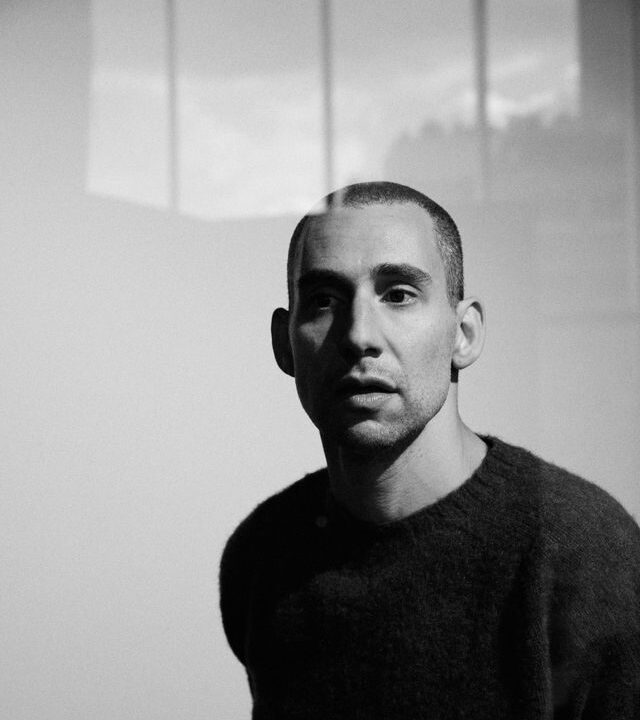
Jack Antonoff has established himself as one of the defining producers of the 21st century. With 13 Grammys to his name, his résumé includes work with Taylor Swift, Sabrina Carpenter, Lana Del Rey, Lorde and countless others. Then there’s his own band, Bleachers, who have just released their fifth album, everyone for ten minutes.
When we caught up with him, Antonoff was reflective, funny and deeply thoughtful, talking about everything from The Breakfast Club and The Beatles to overstimulation, modern life and why optimism only matters if it’s earned.
Years ago, you said John Hughes films were a huge influence on Bleachers. Does that still hold true?
Definitely. In the past it was more sonically literal. I really loved the sound of those films and the instrumentation. Nowadays it’s more emotional and sentimental.
What I always loved about those movies is they never shy away from the sad or intense parts of life, but there’s always this sliver of light in them. There’s hope — whether it’s earned or not. The Breakfast Club is a perfect example. The movie ends and nothing’s really solved, but every character leaves with some hope about their circumstance.
That idea — just trying to do a little better — is really inspiring to me.
There’s a lot of optimism on the new Bleachers record, but also discomfort. You’ve said before that discomfort is essential to making something magical.
Yeah, because optimism without discomfort doesn’t feel earned. If there’s no dissonance underneath it, then hope becomes meaningless.
Even on a record that I think is extremely hopeful, there are lyrics and moments that are as sad as things get. The tension between those two feelings is the whole point.
The title Everyone For 10 Minutes immediately made me think of Andy Warhol’s “15 minutes of fame.”
Ironically, it’s really the same concept. The idea of being accessible to everyone. That’s what fascinated me about AirDrop — that strange moment where everything we do, think or express suddenly became available for total consumption.
It was the first time that the weirdness I’d experienced being in a band — being semi-public — suddenly became something everyone was dealing with.
There’s this scientific study that says human empathy drops off after about 125* people. That idea really informed the album too. I don’t want to be for everyone. I don’t want to know everyone. The depth of connection matters more than scale.
(*British anthropologist Robin Dunbar suggested there is a cognitive limit to the number of people with whom a human can maintain stable, meaningful relationships—traditionally pegged at about 150)
We live in a world where people are constantly bombarded with distraction.
Being smothered is being smothered. Whether it’s oppression or endless entertainment, eventually it all does the same thing.
Our purpose is to find purpose. That can’t be optimised or sped up. Distractions are distractions. And when you realise those distractions exist because someone profits from them, it becomes pretty dark.
Now it’s on all of us to extricate ourselves from that.
What’s your songwriting process like these days? Do you begin with a grand concept for a record?
Not really. I have to hear something first. Something that feels deeper than what I’ve done before. Once that happens, it fills up the tank and compels the next thing.
Without that feeling, I can’t move forward.
What was the first “big bang” moment for you musically as a kid?
The Beatles were the first one because that was always around the house. Then the music of my generation — the ’90s — was another huge moment because that connected me to being part of a time.
But the final piece was discovering my local scene. That’s when everything came together. I realised there was community. Music wasn’t just this thing you dreamed about alone anymore.
I saw your breakdown recently of “Happiness Is A Warm Gun.” Do those Beatles production ideas still influence your work?
Oh yeah. The boldness of those choices is everything to me. I don’t like when music sounds too “nice.” I like hearing things fly in and out. Songs like “I Am The Walrus” or “Happiness Is A Warm Gun” could have stunningly failed, but somehow they work.
I’m always chasing that feeling — making bold choices that feel dangerous.
Can songs sit around unfinished for years?
It can go both ways. If I don’t get some part of an idea out quickly, there’s a danger it dies. But sometimes there’s just this nagging concept you haven’t cracked yet, and you carry it around for years.
One of my favourite songs you’ve worked on is Lana’s ‘Mariners Apartment Complex’. What did you think when you first heard those opening lines?
That happened really fast. Me and Lana were just in L.A. playing and singing ideas at each other. It was very instinctive. We were smiling, having fun, throwing lines around.
Then we took a break for dinner, came back and listened to it, and I remember thinking: “Oh wow… that’s really good.”
Your new video for “Fun” features you getting a buzz cut. Once the clippers go down the middle, there’s no turning back?
Exactly. That’s why you start right in the centre. No escape route.
I like the idea of entering a new cycle clean — almost like a baby. Everything feels transitional right now, so it made sense to strip everything back.
Your new song “Take Me Away Tonight” gave me huge Bruce Springsteen and E Street Band vibes.
That’s funny because we’re playing the Stone Pony again for Shadow of the City. We do it every year. This one’s basically the album release party, so it’s going to feel really magical.
Will Bleachers return to Australia?
Absolutely. We need to come way more than we do.
You once said New Morning was your favourite Bob Dylan album.
Still true. I love how hopeful that record is. It’s such a strange emotional tone for Dylan. I love that he completely subverted expectations sonically too.
Sometimes the urge is to run in the opposite direction creatively. Other times it’s about digging deeper into what you already are. I’m always pulling between those two instincts.
Did you know early on that you could write songs?
Pretty early, yeah. I’d write something and feel it working. Once you feel that feeling, you spend your whole life trying to find it again.
Sting told me songwriting was like doing a crossword puzzle.
That’s interesting. Songwriting is unfakeable. It either works or it doesn’t.
The best songs aren’t a sum of their parts. I always say songwriting is like one plus one equals a million. The lyric, the melody, the recording, the timing — somehow it all combines into something way bigger than it should be.
Do you ever know a song is good but struggle to make the recording work?
All the time. Sometimes I know the song is there, but the image isn’t clear yet. Maybe it’s the wrong key. Maybe something needs to be stripped away. Sometimes you have to re-record the whole thing.
Writing doesn’t take that long. What takes time is figuring out what the best outfit is for the song.
Your records increasingly feature organic textures — banjos, harmonicas, harpsichords.
Yeah, a lot of wooden sounds. That’s partly a reaction to how synthetic everything feels right now. I want people to hear the characters in the room.
Most of the magic still happens at Electric Lady Studios in New York. And yeah, you absolutely feel the history in that place.
Finally — does hearing your songs in public ever lose its novelty?
Never. The funny thing is I always recognise the feeling before I recognise the song. There’s this split second where the world suddenly feels familiar, like running into a friend.
It’s still a really nice feeling.
Bleacher’s “everyone for ten minutes” is out now through Dirty Hit.