
Sydney Film Festival Closes Record-Breaking Year as Minotaur Takes Top Honours
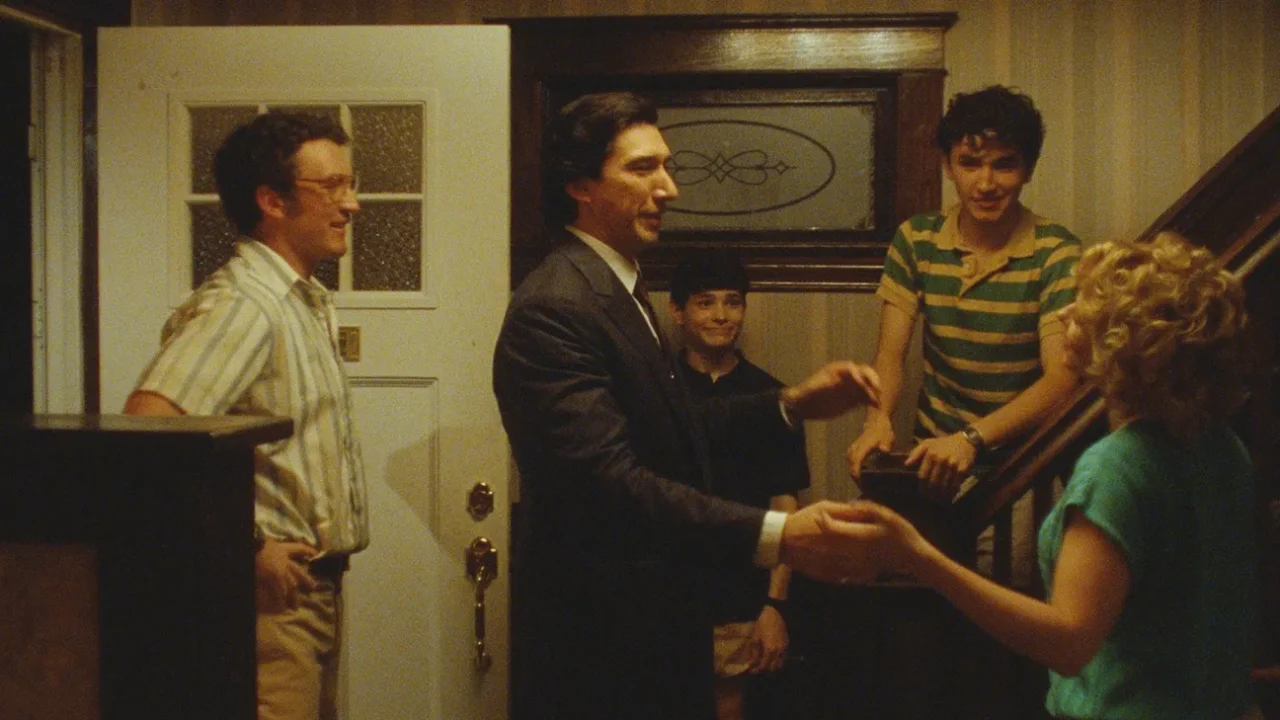
The 73rd Sydney Film Festival came to a close on June 14 after 12 days of premieres, packed cinemas and more than 100 visiting filmmakers, capping what organisers described as the highest-selling edition in the festival’s history. At the closing-night ceremony at the State Theatre, acclaimed Russian filmmaker Andrey Zvyagintsev was awarded the prestigious Sydney Film Prize for his political and psychological thriller Minotaur.
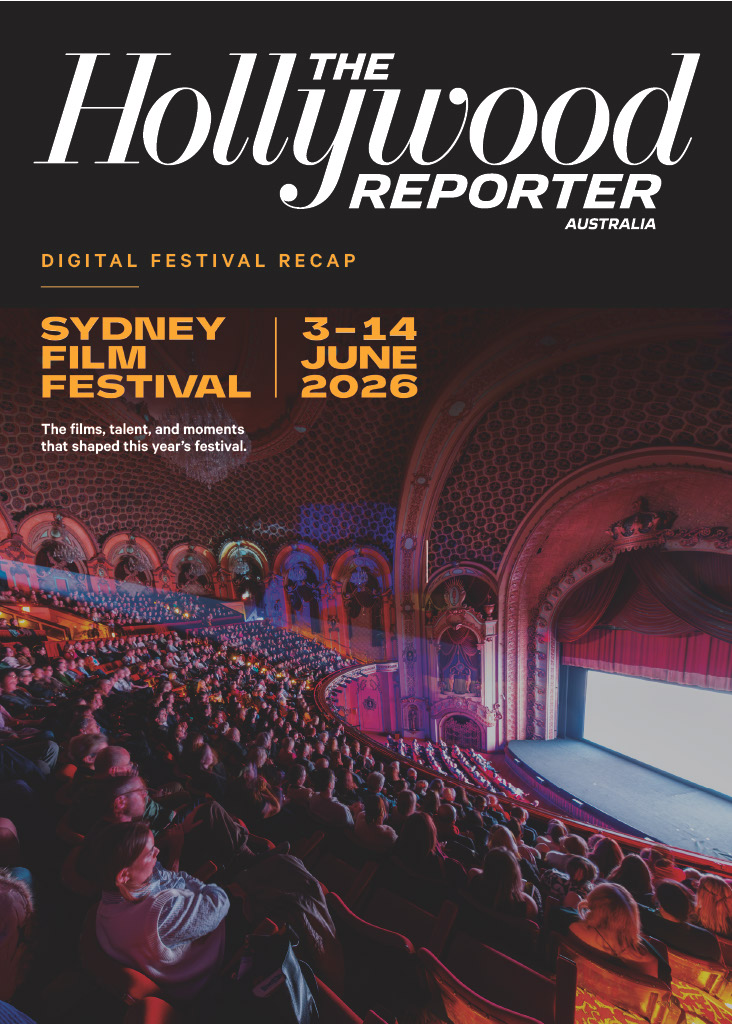
Read the THR Australia x SFF Digital Recap
Presented ahead of the Australian premiere of James Gray’s Paper Tiger, the Sydney Film Prize carries a $60,000 cash award and recognises a film deemed “audacious, cutting-edge and courageous.” The winner was selected by an international jury led by Oscar-nominated Brazilian filmmaker Kleber Mendonça Filho and comprising Hungarian director Ildikó Enyedi, Singaporean filmmaker Boo Junfeng, Australian cinematographer Ari Wegner, and Australian First Nations producer and director Sally Riley.
The jury praised Minotaur as “a chronicle of contemporary Russia” and a work that examines “power used to crush people,” describing the film as both strongly Hitchcockian and deeply cinematic.
Shot in Latvia, Minotaur marks Zvyagintsev’s first feature since 2017’s Loveless and arrives fresh from winning the Grand Prix at the 2026 Cannes Film Festival. Accepting the award in person after returning to Australia for the first time in more than a decade, Zvyagintsev dedicated the honour to those struggling in his homeland.
“I would like to thank the jury for this decision, because this film means a lot to people who are struggling at the moment in Russia,” he said. “The Russian language is struggling. This film is very important to them.”
The Sydney Film Prize was one of several major awards presented during the festival’s closing celebrations.
The $40,000 Sustainable Future Award — the world’s largest environmental film prize — was awarded to Sukundimi Walks Before Me, directed by Mataslia Freshwater and Lachlan McLeod. The documentary follows an Indigenous Papua New Guinean community fighting to protect the Sepik River from the proposed Frieda River mining project. The jury described the film as “an incredibly important and timely documentary” about grassroots resistance in the face of colonialism and corporate greed.
The $20,000 Documentary Australia Award went to filmmaker Vee Shi for Time and Tide, a hybrid documentary exploring a multigenerational family’s struggle to navigate familial obligation and personal identity. The jury praised the film for challenging conventional ideas about documentary storytelling while capturing an authentic process of healing.
Meanwhile, the $35,000 First Nations Award — the world’s richest prize for Indigenous filmmaking — was awarded to Banchi Hanuse for Ceremony. The hybrid documentary traces memory, ceremony and the enduring effects of colonialism across Nuxalk lands and communities. Jurors described the work as “a deeply layered, complex and intimate journey” and “a moving declaration of sovereignty.”
The Sydney-UNESCO City of Film Award, presented by Screen NSW to a trailblazing New South Wales screen practitioner, went to writer-director Fadia Abboud.
The festival also celebrated the winners of the Dendy Awards for Australian Short Films, one of the country’s most important launching pads for emerging filmmakers.
The Dendy Live Action Short Award went to Maŋutji (Catching Eyes), directed by Siena Mayutu Wumarri Stubbs, while the Yoram Gross Animation Award was awarded to Our Choir Has Always Been Travelling, directed by Judith Pungarta Inkamala, Marjorie ‘Nunga’ Williams and Nelson Armstrong. The same creative team also received the Event Cinemas Rising Talent Award for Screenwriting.
The Rouben Mamoulian Award for Best Australian Director went to Cristabel Sved for Date 3, while Angelina Kovacs and Sophie Ravant received the AFTRS Craft Award for Best Practitioner for their production design work on Flesh Fruit.
Sydney Film Festival CEO Frances Wallace said the event had once again exceeded expectations, becoming the highest-selling festival in its 73-year history for the second consecutive year.
“SFF73 has increased its audience by a projected 10 per cent to 170,000 attendees,” Wallace said, noting a more than 30 per cent increase in Youth Pass sales. “Seeing cinemas fill with a new generation of film lovers was such a delight.”
Festival Director Nashen Moodley echoed that enthusiasm, highlighting the strong audience response across the city.
“It has been a terrific edition of Sydney Film Festival and such a delight to see cinemas full every day and all around the city,” he said. “It really feels that cinema as a collective experience is thriving.”
With record attendance, international filmmakers arriving from around the world and awards recognising everything from political thrillers and environmental documentaries to Indigenous storytelling and emerging Australian talent, the 2026 Sydney Film Festival reinforced its position as one of the Southern Hemisphere’s most significant cultural events — and one that continues to grow in both scale and influence.