
Vale Sam Neill
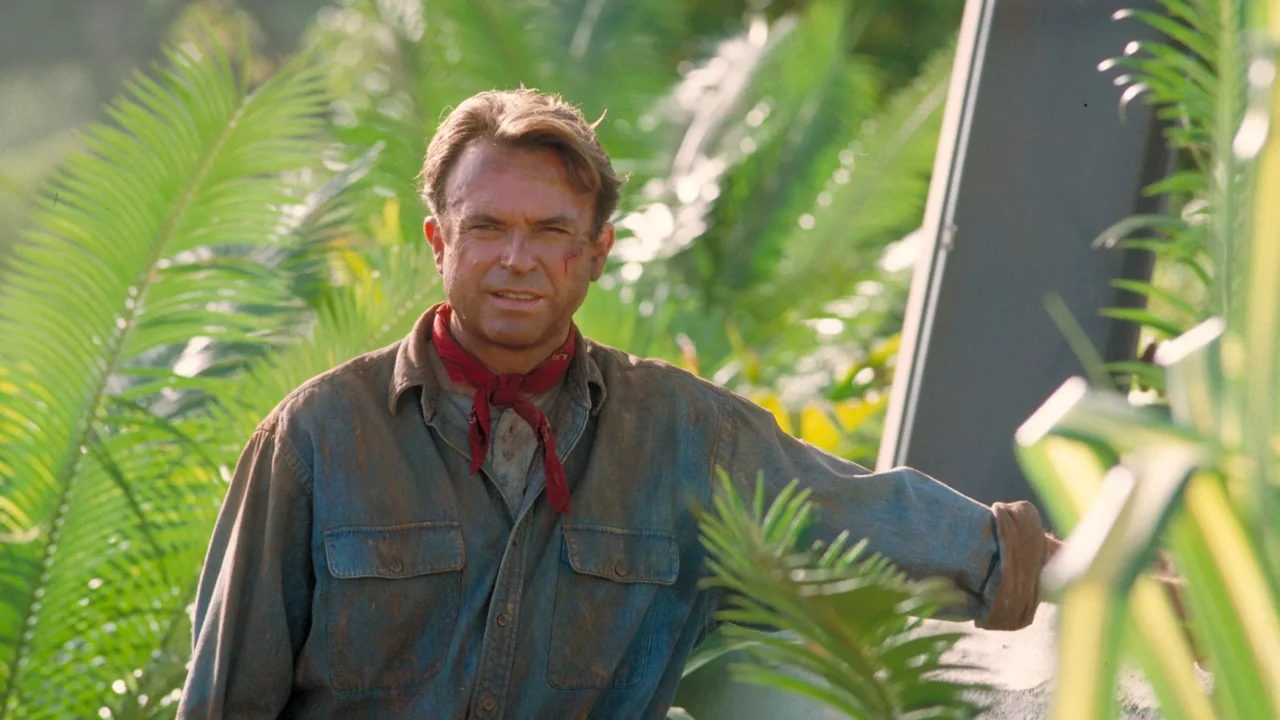
Sir Sam Neill, the quietly charismatic actor whose remarkable range carried him from the Australian New Wave to Hollywood blockbusters and established him as one of the most admired screen performers of his generation, has died. He was 78.
Born in Northern Ireland to an English mother and a New Zealander father, Neill moved to Christchurch with his family in 1954.
Neill died in Sydney on July 13 from complications related to pneumonia after treatment for a rare form of blood cancer left his immune system severely compromised. Although he had recently revealed he was cancer-free following treatment for angioimmunoblastic T-cell lymphoma, his family said his passing was sudden and unexpected.
Across more than five decades and over 150 screen credits, Neill became one of the defining faces of Australasian cinema while enjoying an international career that effortlessly bridged independent dramas, prestige television and some of Hollywood’s biggest films. While millions knew him as the quietly determined palaeontologist Dr. Alan Grant in Steven Spielberg’s Jurassic Park franchise, his body of work stretched far beyond blockbuster spectacle, encompassing films that helped define Australian and New Zealand cinema.
Born Nigel John Dermot Neill in Omagh, Northern Ireland, on September 14, 1947, he emigrated to New Zealand with his family as a young boy. After studying English literature at the University of Canterbury, he discovered acting almost by accident, joining the country’s burgeoning film industry during a period of extraordinary creative growth.
His breakthrough arrived in 1979 with Gillian Armstrong’s My Brilliant Career. Starring opposite Judy Davis, Neill brought charm, intelligence and quiet romanticism to Harry Beecham, helping launch a film that would become one of the cornerstones of Australia’s New Wave. It was the performance that introduced him to international audiences and marked the beginning of an extraordinary career.
Hollywood soon took notice.
During the following decade Neill displayed extraordinary versatility, starring in Andrzej Żuławski’s psychological masterpiece Possession, Omen III: The Final Conflict, the acclaimed television drama Reilly, Ace of Spies, Fred Schepisi’s A Cry in the Dark, opposite Meryl Streep, Phillip Noyce’s tense thriller Dead Calm with Nicole Kidman and Billy Zane, and The Hunt for Red October.
Then came 1993—a year that would define his legacy.
Within months Neill appeared in two landmark films. Steven Spielberg’s Jurassic Park became one of the highest-grossing films in history and transformed popular cinema through its groundbreaking visual effects. As Dr. Alan Grant, Neill anchored the spectacle with warmth, intelligence and understated humour, creating one of the franchise’s most enduring heroes.
That same year he reunited with fellow New Zealander Jane Campion for The Piano, the haunting drama that won the Palme d’Or at Cannes and three Academy Awards. It remains one of the defining achievements of Australasian cinema.
Neill would reprise the role of Alan Grant in Jurassic Park III before returning almost three decades later for Jurassic World Dominion, delighting audiences who had grown up with the original trilogy. Yet despite his association with one of cinema’s most successful franchises, he resisted being defined by blockbuster success. His later career embraced projects as diverse as Event Horizon, The Horse Whisperer, The Tudors, Peaky Blinders, Hunt for the Wilderpeople, Apples Never Fall and the Australian legal drama The Twelve.
Away from film sets, Neill became every bit as admired for the life he lived as the roles he played. At his Central Otago vineyard, Two Paddocks, he cultivated wine, cared for an ever-growing collection of farm animals and developed a devoted following through social media, where his dry wit, generosity and complete lack of celebrity pretension endeared him to millions.
When he revealed in 2023 that he had been diagnosed with angioimmunoblastic T-cell lymphoma, Neill confronted his illness with the same candour and grace that characterised his life. His memoir, Did I Ever Tell You This?, written during treatment, became less a story about illness than a celebration of curiosity, friendship and gratitude.
“I’m not afraid to die,” he told The Guardian during the book’s publication. “But it would annoy me… because I’d really like another decade or two. We’ve built lovely terraces, we’ve got these olive trees and cypresses, and I want to see them mature.”
It was a quintessential Sam Neill observation—practical, humorous and quietly profound. Even while contemplating mortality, he was thinking about tomorrow.
Tributes poured in from across the film world.
Steven Spielberg described Neill as “the most collaborative actor,” adding: “I adored making all the Jurassic movies with him. Along with Laura Dern and Jeff Goldblum, we will always have our Jurassic family and Sam will never be forgotten by us or his many millions of fans around the world.”
Laura Dern remembered her longtime friend as “my trusted partner and dear friend,” while Nicole Kidman paid tribute to the actor who had helped shape her early career. Cillian Murphy, who worked alongside Neill in Peaky Blinders, described him as “one of the kindest, funniest and gentlest people” he had known.
In Australia, one of the most heartfelt tributes came from Jimmy Barnes, who had shared a close friendship with Neill for many years.
“What a day it’s been,” Barnes wrote. “My dear friend Sam left us today. I can’t believe we will no longer be eating great food together and sharing the odd glass of wine. Sam was a big part of our lives. He was family… Rest easy, dear Sam. You are always in our hearts.”
Prime Minister Anthony Albanese also honoured Neill’s remarkable contribution to Australian culture.
“Sam Neill starred in so many beloved Australian stories and he earned a special place in Australian hearts,” Albanese said. “Wry and dry, thoughtful and laconic, Sam fought illness with the same dignity, humour and conviction that gave strength to his every performance.”
Although fiercely proud of his New Zealand heritage, Neill occupied a unique place in Australian cinema. Few actors contributed more consistently to the stories of both nations, moving effortlessly between local productions and international features while remaining deeply committed to filmmakers on both sides of the Tasman.
There are actors who become famous, and there are actors who become trusted. Sam Neill belonged firmly to the latter. Audiences believed him whether he was confronting dinosaurs, navigating Cold War intrigue, wrestling with impossible moral choices or quietly carrying the emotional weight of a family drama. He possessed that increasingly rare ability to make intelligence seem effortless and decency feel quietly heroic.
Across more than half a century, Sam Neill never sought to dominate a film. Instead, he elevated every one he appeared in. In an industry captivated by stars, he remained something rarer: an actor of immense craft whose humanity proved every bit as memorable as his extraordinary talent.
His films will endure for generations. So too will the memory of the gracious, thoughtful man behind them.