
Andrey Zvyagintsev’s Minotaur Wins Top Prize as Record-Breaking Sydney Film Festival Closes
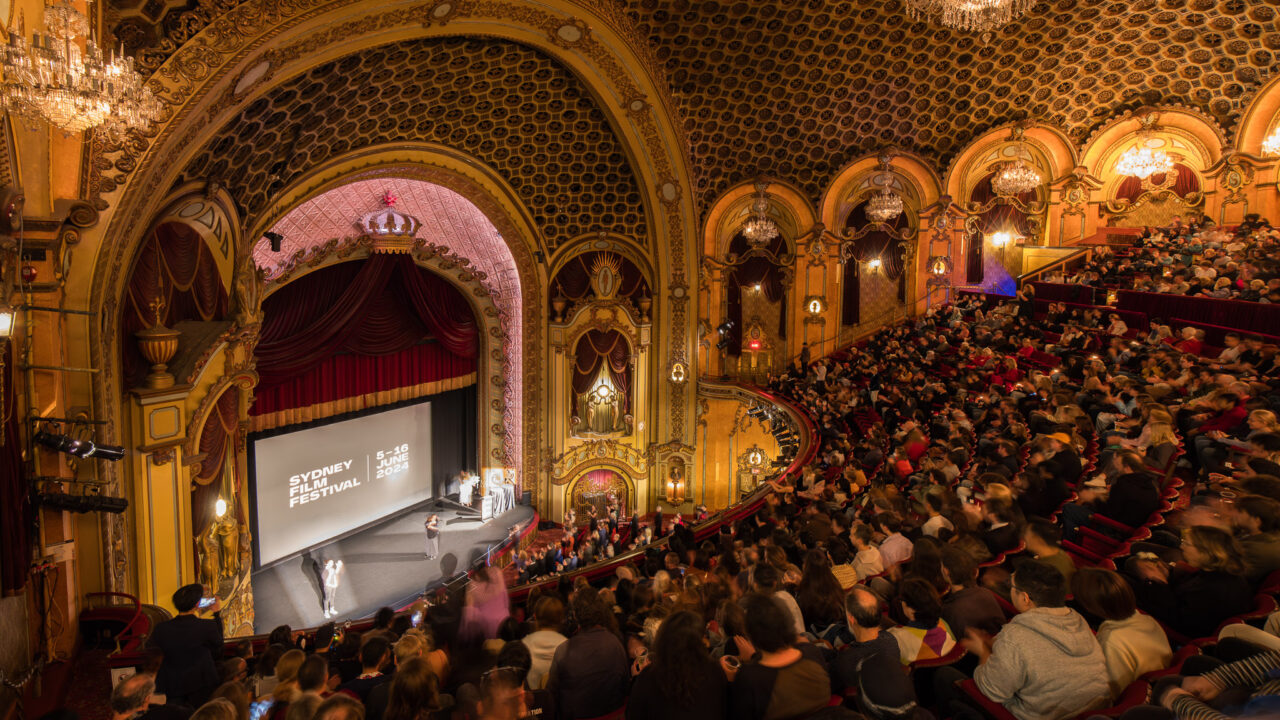
Russian filmmaker Andrey Zvyagintsev has claimed the Sydney Film Prize for Minotaur as the 73rd Sydney Film Festival wrapped its biggest edition yet, with organisers confirming the 2026 event was the highest-selling festival in its history.
The festival’s prestigious top honour was awarded to Zvyagintsev’s latest feature, with the international jury praising the film’s exploration of power and oppression.
“This is a film about something which unfortunately never goes out of style, which is power used to crush people,” the jury said in a statement. “It’s all done in a way that feels strongly Hitchcockian, strongly cinematic.”
The award caps a remarkable comeback for the acclaimed Russian director, whose previous films include Leviathan, Loveless and Elena. The victory also strengthens Minotaur‘s position as one of the major international arthouse titles of the year.
The Sydney Film Prize jury was headed by Brazilian filmmaker Kleber Mendonça Filho and included Hungarian director Ildikó Enyedi, Singaporean filmmaker Boo Junfeng, Australian cinematographer Ari Wegner and First Nations producer-director Sally Riley.
Elsewhere, Vee Shi’s Time and Tide took home the $20,000 Documentary Australia Award. The jury described the film as a work that “challenged our ideas of what documentary can be and what it can do,” praising its emotional honesty and exploration of healing.
The world’s richest Indigenous filmmaking prize, the $35,000 First Nations Award, was awarded to Banchi Hanuse for Ceremony. Filmed across a decade, the hybrid documentary explores the history, lands and sovereignty of the Nuxalk people.
In their citation, the jury called the film “a deeply layered, complex and intimate journey into the history and landscape of the Nuxalk people” and praised its powerful declaration of Indigenous sovereignty.
The $40,000 Sustainable Future Award, recognised as the world’s largest environmental film prize, went to Sukundimi Walks Before Me from directors Mataslia Freshwater and Lachlan McLeod. The documentary follows an Indigenous community in Papua New Guinea fighting to protect the Sepik River from the proposed Frieda River mining project.
Australian short filmmaking was also celebrated through the Dendy Awards, with Siena Mayutu Wumarri Stubbs’ Maŋutji (Catching Eyes) winning Best Live Action Short. Our Choir Has Always Been Travelling claimed multiple honours, including the Yoram Gross Animation Award and the Event Cinemas Rising Talent Award.
The Sydney-UNESCO City of Film Award, presented by Screen NSW to a trailblazing NSW screen practitioner, was awarded to writer-director Fadia Abboud.
The festival’s closing celebrations reflected what organisers described as a landmark year for the event.
Screen NSW Executive Director Kylie Munnich said the festival had enjoyed its strongest attendance in 73 years.
“It is exciting to see that after 73 years, the Sydney Film Festival continues to go from strength to strength, with this year seeing the highest-selling festival to date,” Munnich said.
NSW Minister for Jobs and Tourism Steve Kamper said the festival had once again demonstrated its cultural and economic impact on the city.
“Beyond the cinema, the city has been alive throughout the festival,” Kamper said. “People out at bars, restaurants and venues before and after screenings — that’s what great events do. They don’t just fill seats; they energise the whole city.”
Among the filmmakers in attendance during the closing weekend were Zvyagintsev, Marie-Clémentine Dusabejambo, Mendonça Filho, Enyedi and Boo Junfeng, alongside Australian screen figures including Claudia Karvan, Jeremy Sims, Krew Boylan, Luke Arnold and Matt Day.
The full Sydney Film Festival program remains available at the festival’s website, bringing the curtain down on what organisers are calling a record-breaking year for one of Australia’s premier film events.