
Sydney Film Festival Director Nashen Moodley on Record Crowds, Global Cinema and Why Festivals Matter More Than Ever.
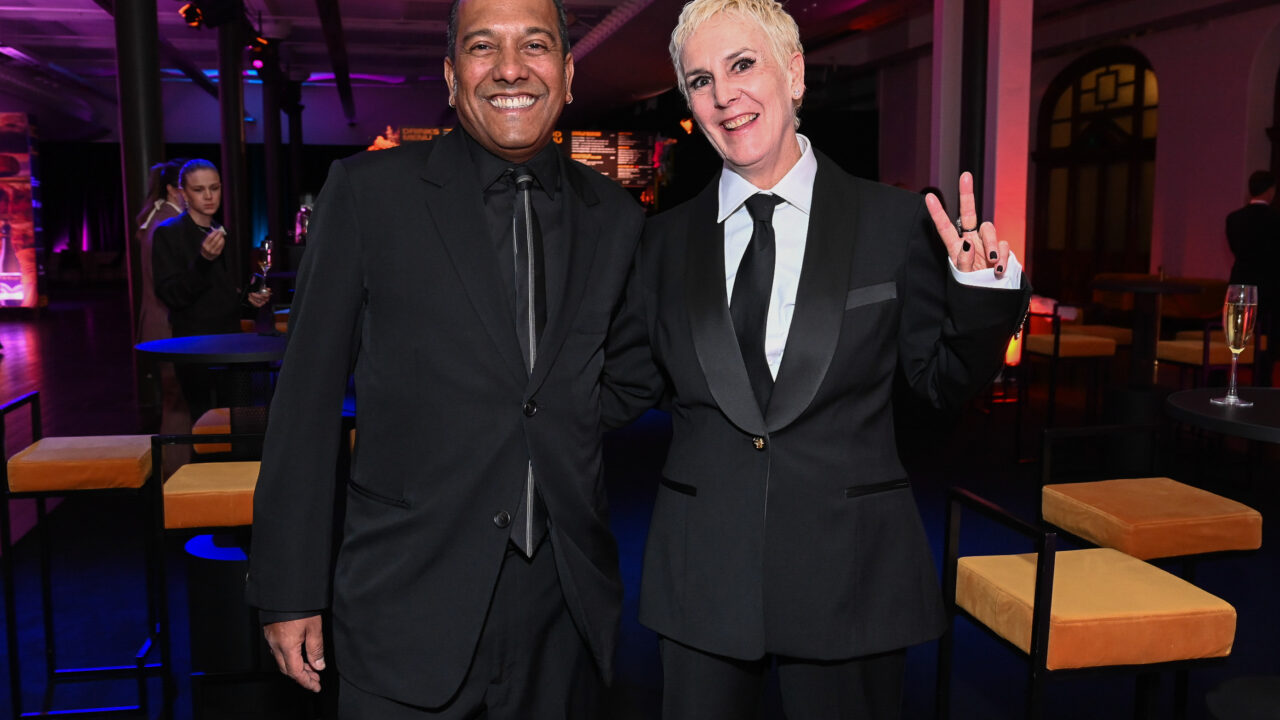
The 2026 Sydney Film Festival wrapped after 12 days of premieres, standing ovations and packed cinemas, presenting 285 films from around the world. From the powerful opening-night Australian documentary Silenced to a Sydney Film Prize competition featuring major international auteurs and emerging voices, the festival recorded one of its strongest years yet, with attendance reaching 170, 000.
Following the festival, The Hollywood Reporter Australia’s Sean Sennett spoke with Sydney Film Festival Director Nashen Moodley.
THR AU: In your introduction to this year’s festival, you acknowledged the difficult state of the world, with conflicts affecting communities across the globe. How much did that shape your approach to programming the festival?
Nashen Moodley: It shaped it significantly. When you’re putting together a film festival, it’s impossible to ignore what’s happening in the world. Sydney is such a multicultural and cosmopolitan city that conflicts taking place thousands of kilometres away still have a profound impact on people here.
We wanted the program to reflect that reality. At the same time, festivals also need to provide relief, connection, entertainment and even joy. The challenge is finding a balance between engaging with difficult issues and creating a space where audiences can come together and experience something uplifting.
Even during difficult times, film festivals remain incredibly important. They help us understand the world and, hopefully, help us understand each other a little better.
THR AU: Opening night belonged to Selina Miles’ Silenced, which generated one of the most emotional responses of the festival.
Moodley: It really exceeded our expectations. We knew it was an important film and a powerful film, but the audience reaction was extraordinary.
The State Theatre is a very large venue. It seats around 2,000 people, and standing ovations that extend across all three levels are quite rare. The response was overwhelming. Every subsequent screening sold out and audiences continued to engage with the film throughout the festival.
It’s a film that deserves to be seen widely when it receives its theatrical release.
THR AU: What made it the right choice to open the festival?
Moodley: Choosing an opening-night film is always difficult because there are a number of considerations.
Whenever possible, I prefer to open with an Australian film. The Sydney Film Festival exists not only to introduce audiences to the best international cinema but also to champion Australian cinema. We want Australian films to sit confidently alongside the finest work being produced anywhere in the world.
Silenced dealt with an important subject and felt like a film that demanded attention. Opening the festival with it gave it the platform it deserved. I expected audiences to respond emotionally, but even my expectations were exceeded.
THR AU: The Sydney Film Prize competition felt particularly strong this year, bringing together major international filmmakers and emerging voices. Russian filmmaker Andrey Zvyagintsev won for his political thriller Minotaur, an audacious examination of contemporary Russian society set against the backdrop of the Russo-Ukrainian war.
Moodley: That’s always our goal. We want to showcase some of the most important filmmakers working today while also introducing audiences to the next generation of talent.
This year’s competition featured films by internationally celebrated directors including Asghar Farhadi, Cristian Mungiu who just won the Palme d’Or (again) category at Cannes – and Kleber Mendonça Filho. The eventual winner was part of an exceptionally strong field.
At the same time, we had emerging filmmakers presenting remarkable work. Films such as Films such as Adrian Chiarella’s Leviticus and Mary Clementine Dusabejambo’s Beni Mana demonstrated the breadth of contemporary cinema. Beni Mana was particularly significant as the first Rwandan feature ever selected for Official Competition.
What I love about the competition is that audiences can discover new voices while also engaging with established masters of world cinema.
THR AU: Documentary filmmaking continues to play a major role at the festival.
Moodley: Absolutely. The Australian Documentary Competition has now been running for well over a decade and continues to be one of the strongest sections of the festival.
Australian documentary filmmakers are producing work with a truly international outlook. Many of the stories aren’t necessarily set in Australia, but they’re being told by Australian filmmakers engaging with global issues and perspectives.
Every year we review dozens of Australian documentaries and the standard remains incredibly high. It’s a thriving form of cinema in Australia.
THR AU: First Nations storytelling has become one of the defining pillars of the festival.
Moodley: It’s something we’re enormously proud of.
Years ago we introduced a dedicated section for Australian Indigenous cinema. Over time that expanded into a platform for First Nations filmmakers from around the world.We’ve worked with Screen Australia’s First Nations department for many years in presenting the program. It has evolved significantly over time. Initially, the section focused exclusively on Australian Indigenous filmmaking. Today it includes First Nations stories from around the world. We’ve seen a significant increase in submissions and an extraordinary diversity of voices, receiving films from Australia, New Zealand, North America and Scandinavia, including work by Sámi filmmakers and Indigenous storytellers from across the globe. We’d also love to see more Australian First Nations films represented in Official Competition. Today the section includes what is arguably the most valuable prize for First Nations filmmaking anywhere in the world.
THR AU: One thing that struck visitors this year was the sense that the festival had taken over the city.
Moodley: It really felt that way.
This was my 15th Sydney Film Festival and there are certain years that stand out. I often think about 2019 as one of those landmark years – Bong Joon Ho was here. The atmosphere was extraordinary and there was a tremendous sense of momentum. What’s remarkable is that the last three festivals have all felt that way. Audiences are embracing the experience of cinema in a really exciting way. They’re not coming to see one film. They’re coming back night after night and discovering new work. This year felt special from the opening night onwards.
THR AU: The Dendy Short Film Awards remain one of the festival’s most important pathways for emerging filmmakers.
Moodley: They really do.
I believe it was David Stratton who began the Australian short film competition more than 50 years ago. It’s been running ever since. Many of Australia’s most celebrated filmmakers began their careers there. Jane Campion, Warwick Thornton, Cate Shortland and Phillip Noyce all had early short films showcased through the festival. Supporting filmmakers at the beginning of their careers remains one of the most important things we do. Many great filmmakers begin with short films. We hope to support them from the outset and then follow their work.
As an example Adrian Chiarella returned to the festival with Leviticus after previously screening a short film in the competition years ago. Seeing those careers develop is incredibly rewarding. It’s been sponsored by Dendy for many decades now.
THR AU: The Freak Me Out strand continues to draw passionate audiences.
Moodley: Richard Kuipers curates that section and does a fantastic job.
It’s not the type of cinema that I love (laughs), I’m really glad that Richard is there watching hundreds of films to come up with an intelligent selection. Genre audiences are incredibly dedicated. There are people who will attend every Freak Me Out screening and then spend hours discussing the films afterwards. It’s a community within the broader festival and it’s one of the things that makes the event so vibrant.
THR AU: Sounds on Screen also remains a major drawcard.
Moodley: It was a particularly strong year.
One of my favourites was the documentary about Amadou & Mariam, the blind couple from Mali. It was a deeply moving film and one of the most touching documentaries in the festival.
Music documentaries often attract audiences who might not otherwise attend a film festival. Someone comes because they’re interested in a particular artist and then discovers an entirely new world of cinema while they’re here.
THR AU: Fashion on Screen seemed to be one of the breakout successes of the year.
Moodley: It was phenomenal.
The audience response was incredible. Many screenings sold out and a surprising number of people purchased packages to see the entire strand.
It demonstrated the breadth of interests that the festival can accommodate while still maintaining a coherent identity.
THR AU: The Festival Hub discussions and workshops have become an important component of the event. How do those conversations come together? I particularly like that you delve into practical topics such as how to make a film on a budget.
Moodley: Most of them emerge directly from the films.
We look at the themes running through the selected program and ask what conversations naturally arise from those works. Some events are developed with long-term partners, but many are built around ideas that emerge organically from the films themselves.
It’s a way of extending the conversation beyond the screening room.
THR AU: Looking ahead, what would you most like to build on next year?
Moodley: We always want to reach more audiences.
We’ve seen tremendous growth, particularly among younger audiences, and we’d like to continue building on that momentum. We want more people across Sydney to feel that the festival belongs to them.
I’d also love to see even more international filmmakers attend. We welcomed some wonderful guests this year, but ultimately we’d like Sydney Film Festival to become an essential stop on the international festival circuit for major filmmakers.
THR AU: Finally, what would you like audiences around Australia to take away from this year’s festival?
Moodley: We want the Sydney Film Festival to be the beginning of these films’ journeys in Australia, not the end.
Many of the films we presented deserve long and successful theatrical lives. I’d encourage anyone who wasn’t able to attend the festival to seek them out when they screen elsewhere, whether that’s at another festival or during their cinema release.
It’s important that audiences support a diversity of cinema. We selected these films because we believe they’re among the most exciting and significant works being made today. I hope people continue to discover them long after the festival has ended.